Thermal imaging is becoming more common on airsoft fields - but is it actually worth it? We explain how thermal and night vision differ, what each one does well, and how to decide which is right for your setup.
What is the difference between thermal and night vision?
They both help you see in the dark, but they work in completely different ways.
Night vision captures infrared (IR) light - usually from a built-in IR LED or external illuminator - and displays it on a screen. It shows you a detailed picture of your surroundings, much like a low-light camera. Most digital night vision devices require some IR illumination to function, which means they can be detected by other NV users scanning for IR signatures.
Thermal imaging doesn't use light at all. Instead, it detects heat - the infrared radiation emitted by people, animals, and warm objects. A thermal monocular builds a picture based entirely on temperature differences. It works in complete darkness, through light smoke, and even through patchy vegetation. And crucially, it produces no IR illumination of its own, so it doesn't give away your position.
What does a thermal monocular actually show you?
Thermal shows you heat signatures, not visual detail. People appear as bright shapes against a cooler background. You won't see faces or fine detail, but you will see movement and presence - often before you'd have any other indication someone was there.
This is what makes thermal particularly useful for scanning and spotting. You're not looking for visual contrast; you're looking for warmth. In a woodland milsim environment with players using concealment, that's a significant advantage.
Is thermal useful for airsoft?
Yes - particularly for night games and milsim events where concealment and low-light movement are part of the gameplay.
Here's where a thermal monocular like the
Nightfox Arctic adds genuine value:
- Detecting concealed players - someone lying still in undergrowth is almost invisible to night vision, but their body heat gives them away on thermal
- Scanning open ground quickly - thermal's wide field of view makes it fast to sweep an area for movement
- Smoke and obscurants - thermal sees through light smoke where night vision struggles
- No IR glow - unlike NVGs with active IR illumination, thermal doesn't broadcast your position
It won't replace your night vision goggles for close-quarters navigation - you still need NVGs to move safely and quickly in the dark. But as a helmet-mounted scanning tool used alongside your NVGs, it adds a layer of situational awareness that's genuinely hard to replicate any other way.
Do you need both thermal and night vision?
Not necessarily - it depends how you play.
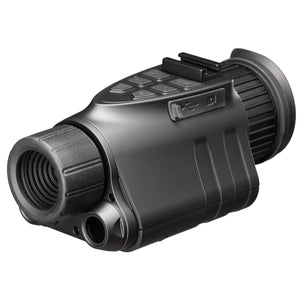
If you play occasional night games at a local site, a good digital night vision monocular like the
Nightfox Prowl 2 is likely all you need. It handles navigation, target identification, and close-quarters play well.
If you play longer milsim events, night ops with significant movement and concealment, or you want a genuine tactical edge in low-light environments, combining thermal and digital night vision is where the real advantage lies. You use your NVGs to move and navigate, and thermal to scan and detect.
A lot of experienced players run both. The Nightfox Arctic is designed with this in mind - it's fully compatible with Prowl 2
mounts and accessories, so it integrates cleanly into an existing setup.
What should I look for in a thermal monocular for airsoft?
If you're considering thermal for the first time, here are the specs that actually matter for airsoft use:
- Frame rate - you want at least 25fps for smooth movement tracking; 50fps is noticeably better for fast-moving targets. The Arctic runs at 50fps with low latency.
- Field of view - wider is better for scanning. A 24° FOV, like the Arctic, gives you a broad enough picture to sweep an area quickly.
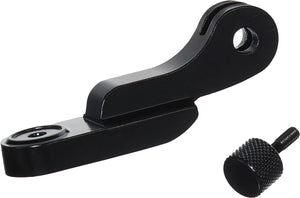
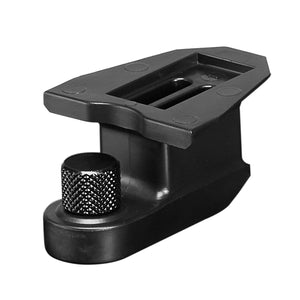
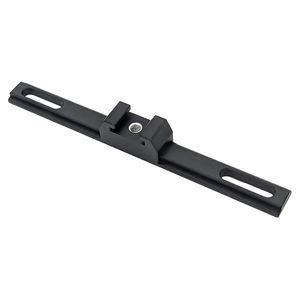
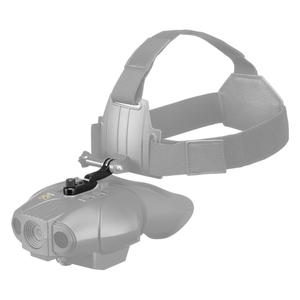
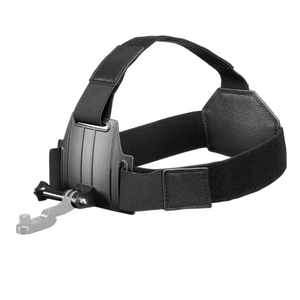
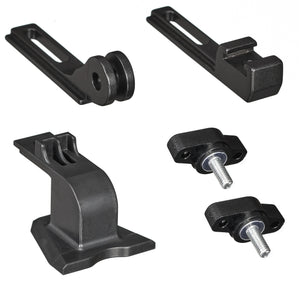
- Weight and mount compatibility - helmet-mounted thermal needs to be light enough to wear for hours. The Arctic weighs under 280g and includes a dovetail adaptor compatible with standard Wilcox G24-style mounts.
- Battery life - long events need long battery life. Aim for at least 6–8 hours; the Arctic provides up to 9 hours from its built-in USB-C rechargeable cell.
- Weather resistance - airsoft happens in all conditions. IP65 rating covers dust and heavy rain.
Nightfox Arctic: a thermal monocular built for airsoft
The Arctic is Nightfox's first helmet-mounted thermal monocular, designed specifically for airsoft players, milsim enthusiasts, and tactical users.
Key specs at a glance:
Not sure if it's right for you?
Get in touch with our team - we're based in Bristol, UK and happy to talk it through before you buy. If you do order and it's not what you expected, our 30-day return policy means there's no risk in trying it.
Summary: night vision vs thermal for airsoft
The short answer: thermal and night vision do different jobs. Night vision helps you move and see; thermal helps you detect and spot. For serious night play, the two work best together.
The Nightfox Arctic thermal monocular is available now. View the full product page.

 Trusted Service
 30 Day Return Policy
 2 Year Warranty
 Worldwide Delivery